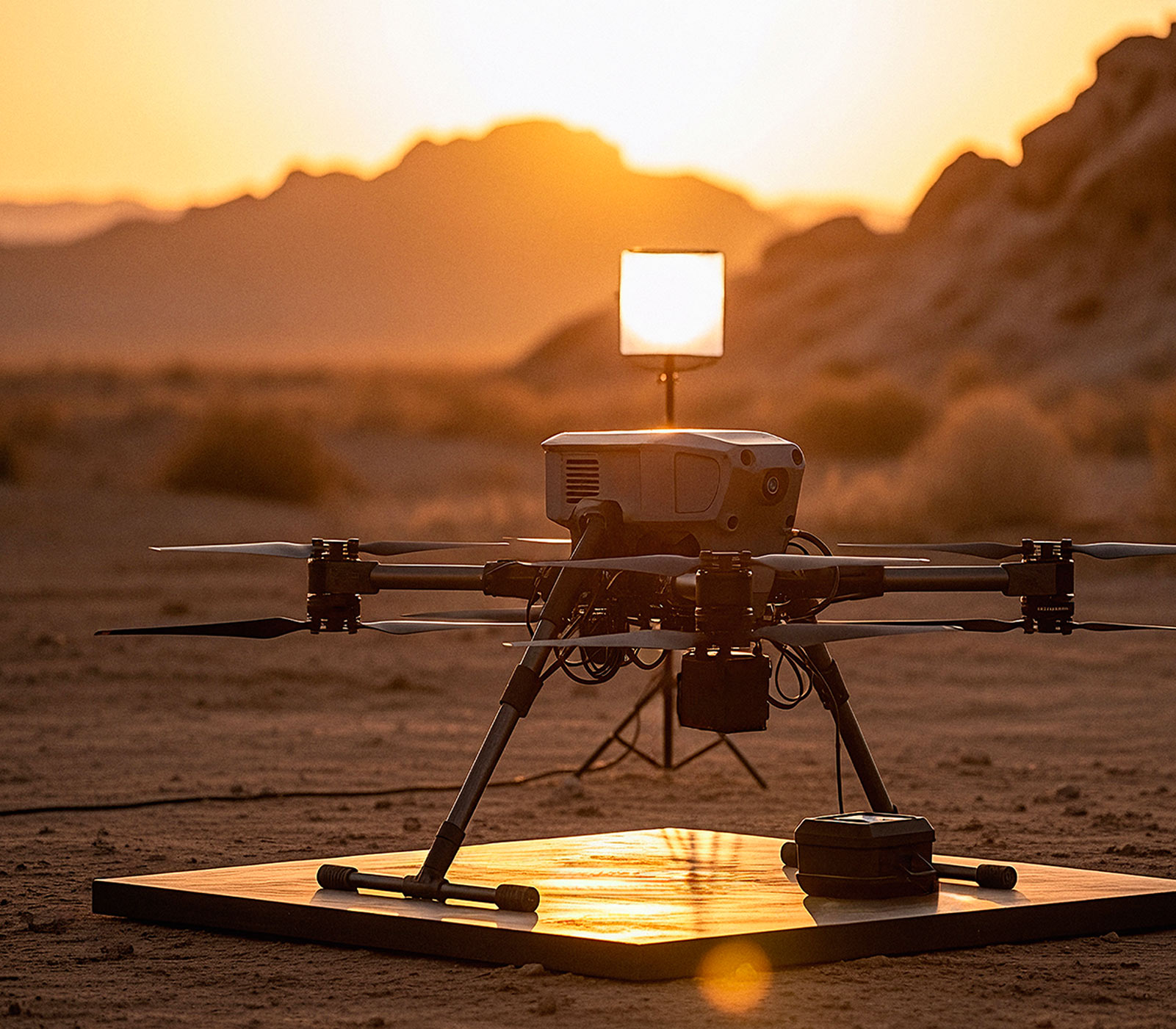
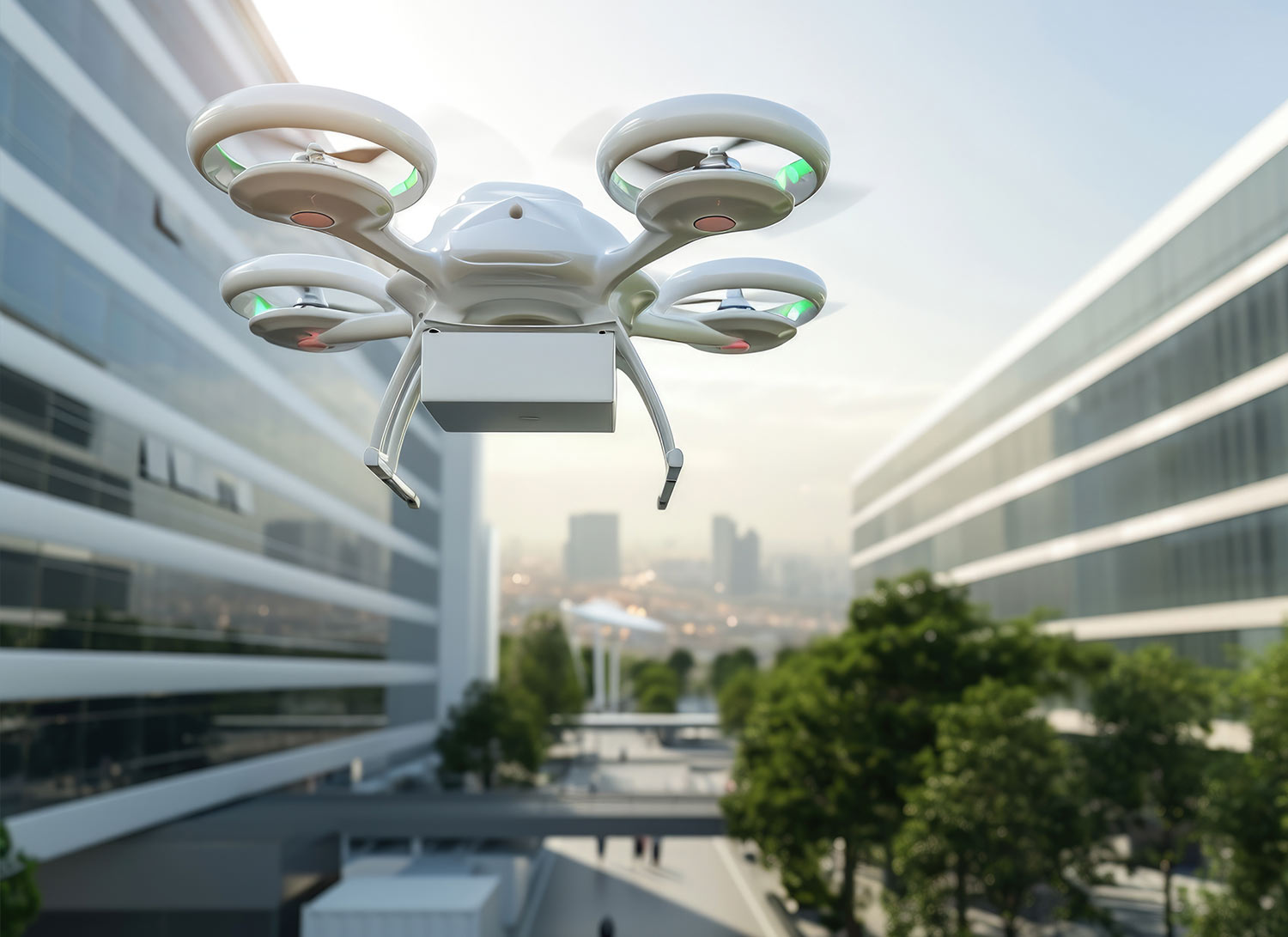
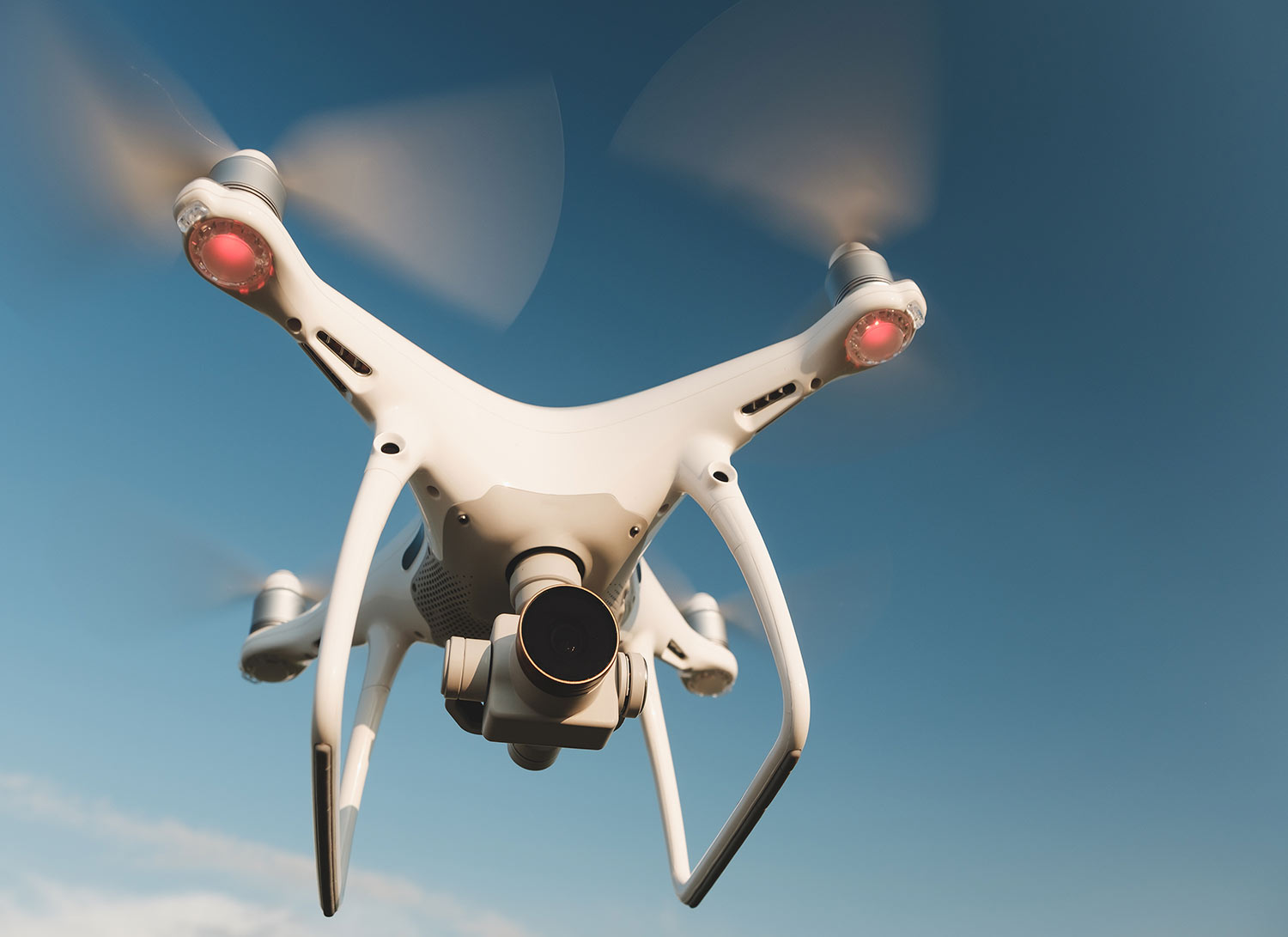
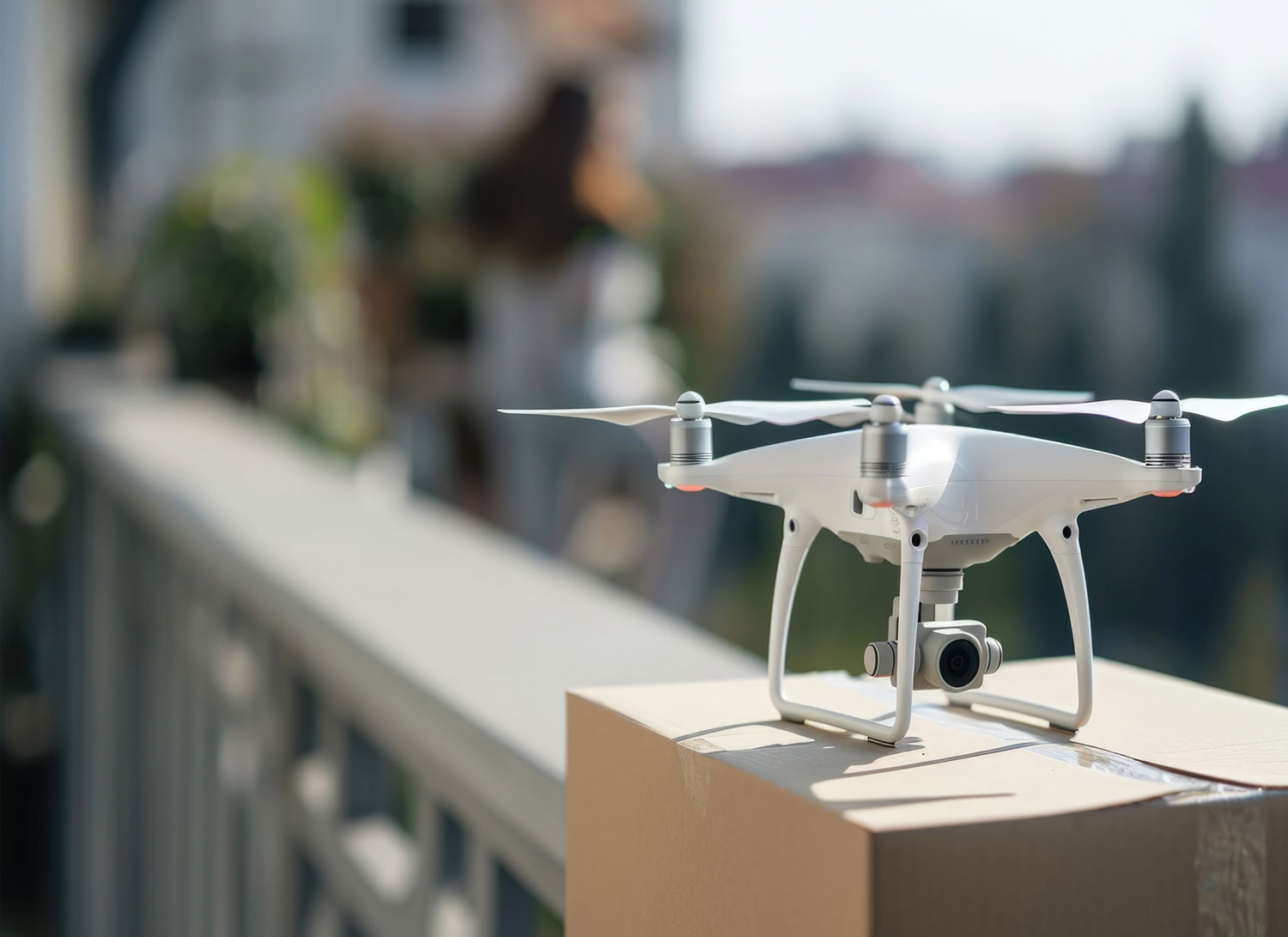
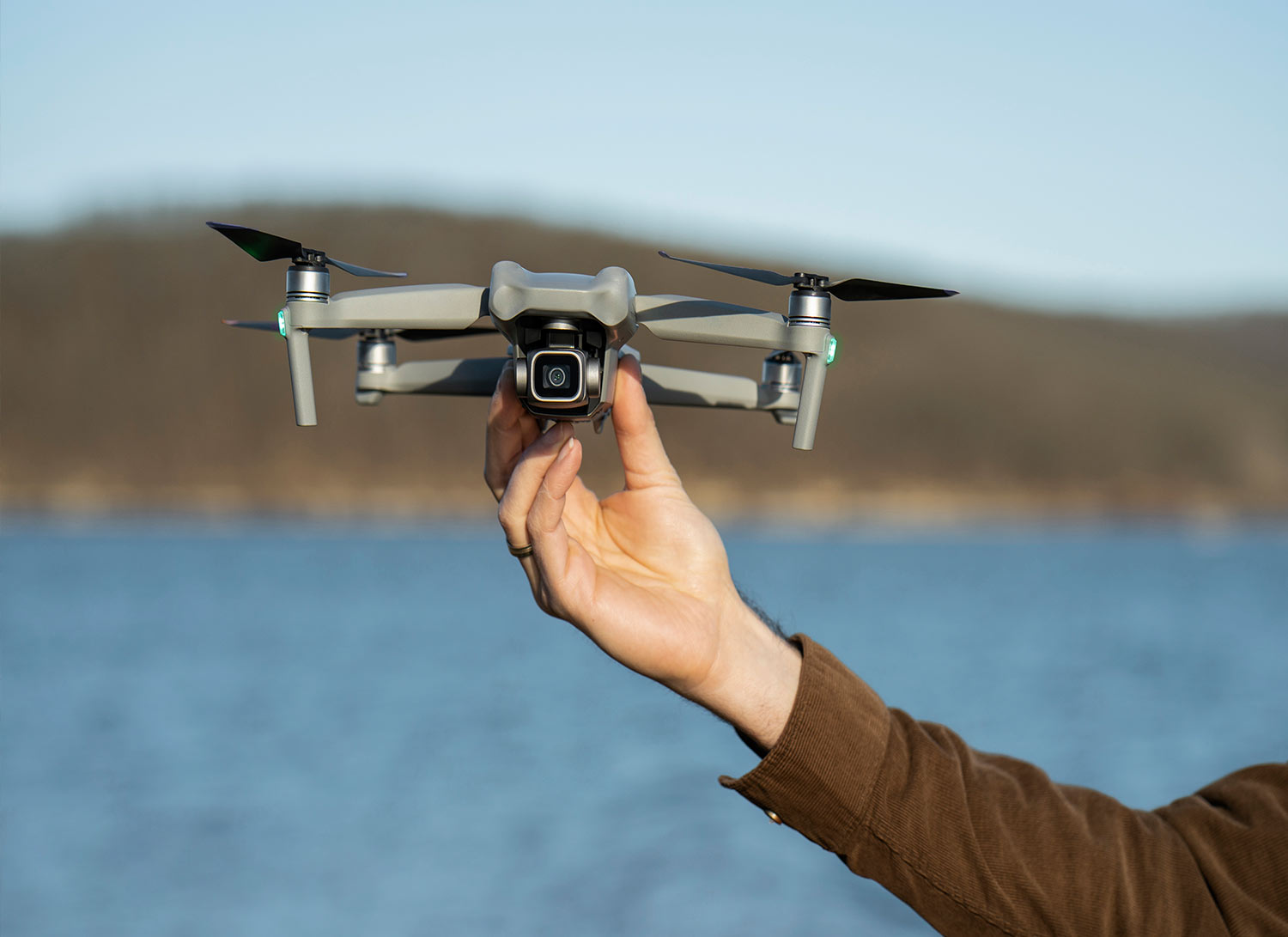
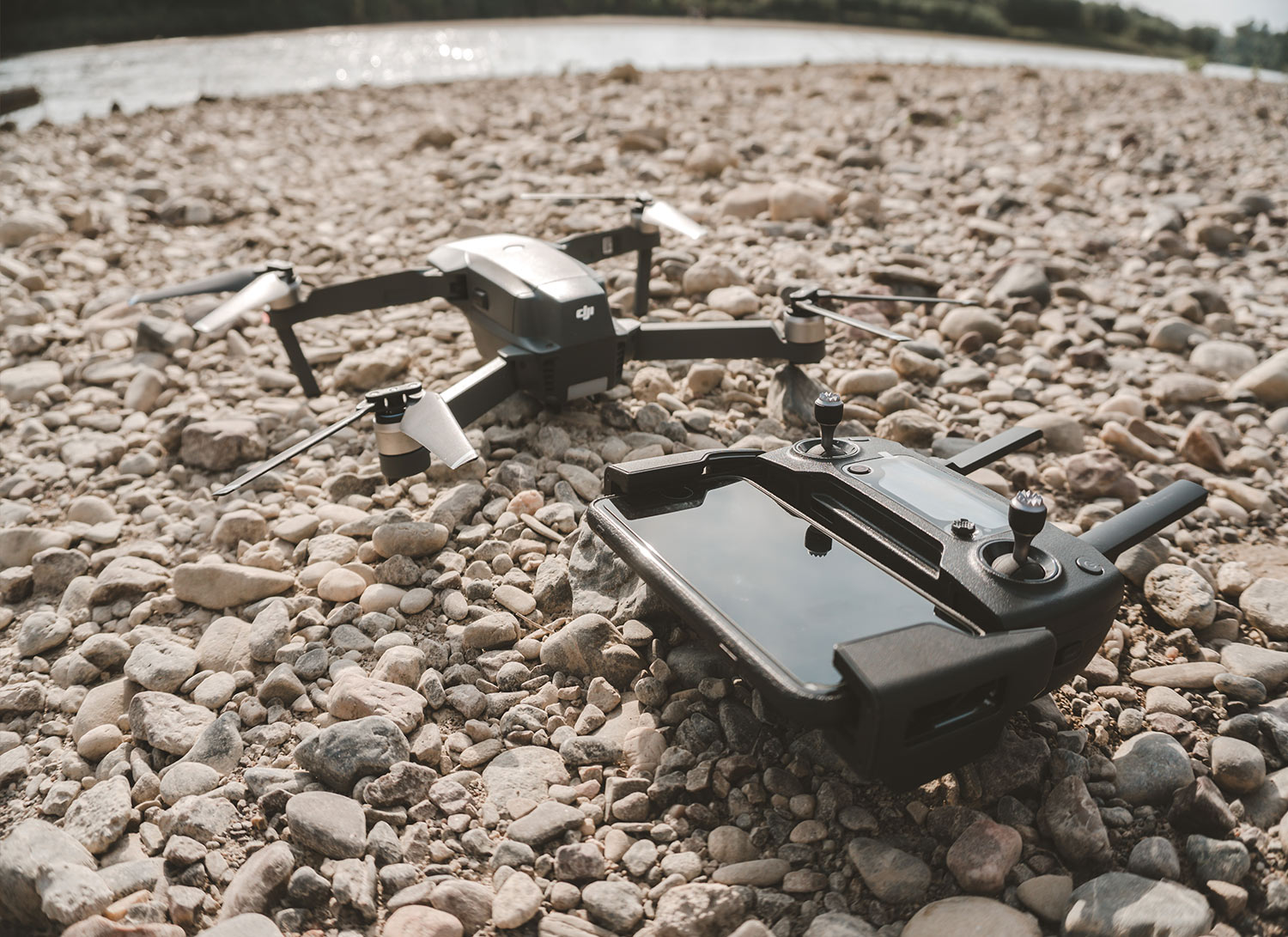
In the current landscape of unmanned systems, one major direction is toward modular platforms that allow rapid swapping of payloads (camera, LiDAR, sensors, communication relay, etc.). A company like GiVa Aerotech would likely build such flexibility into its UAVs (or UAS), enabling them to serve in multiple roles—e.g., surveillance, mapping, inspection, and emergency response. The chassis, flight controller, power and propulsion systems would need to be designed for both robustness and adaptability. For instance, variable payload weights impact centre of gravity, battery/fuel usage, and flight dynamics. Optimizing for these often means designing redundant systems, efficient power management, and perhaps hybrid energy sources.
Another important trend is in autonomy and artificial intelligence. Beyond basic waypoint navigation, key features include obstacle detection & avoidance, GPS-denied navigation (e.g. indoors or under canopy), dynamic mission replanning (if something unexpected happens), and possibly swarming behaviour. GiVa Aerotech might invest in onboard processing hardware, computer vision, machine learning pipelines for target recognition or feature extraction, or satellite/autonomous communication links. Furthermore, regulatory compliance (airworthiness, safe operations, fail-safes) becomes crucial especially when these unmanned systems fly in mixed airspace or near populated areas. Certification or semi-certification, sense-and-avoid capability, and safety systems (return-to-home, loss-of‐comm link behaviour, battery backup etc.) would be key differentiators.